
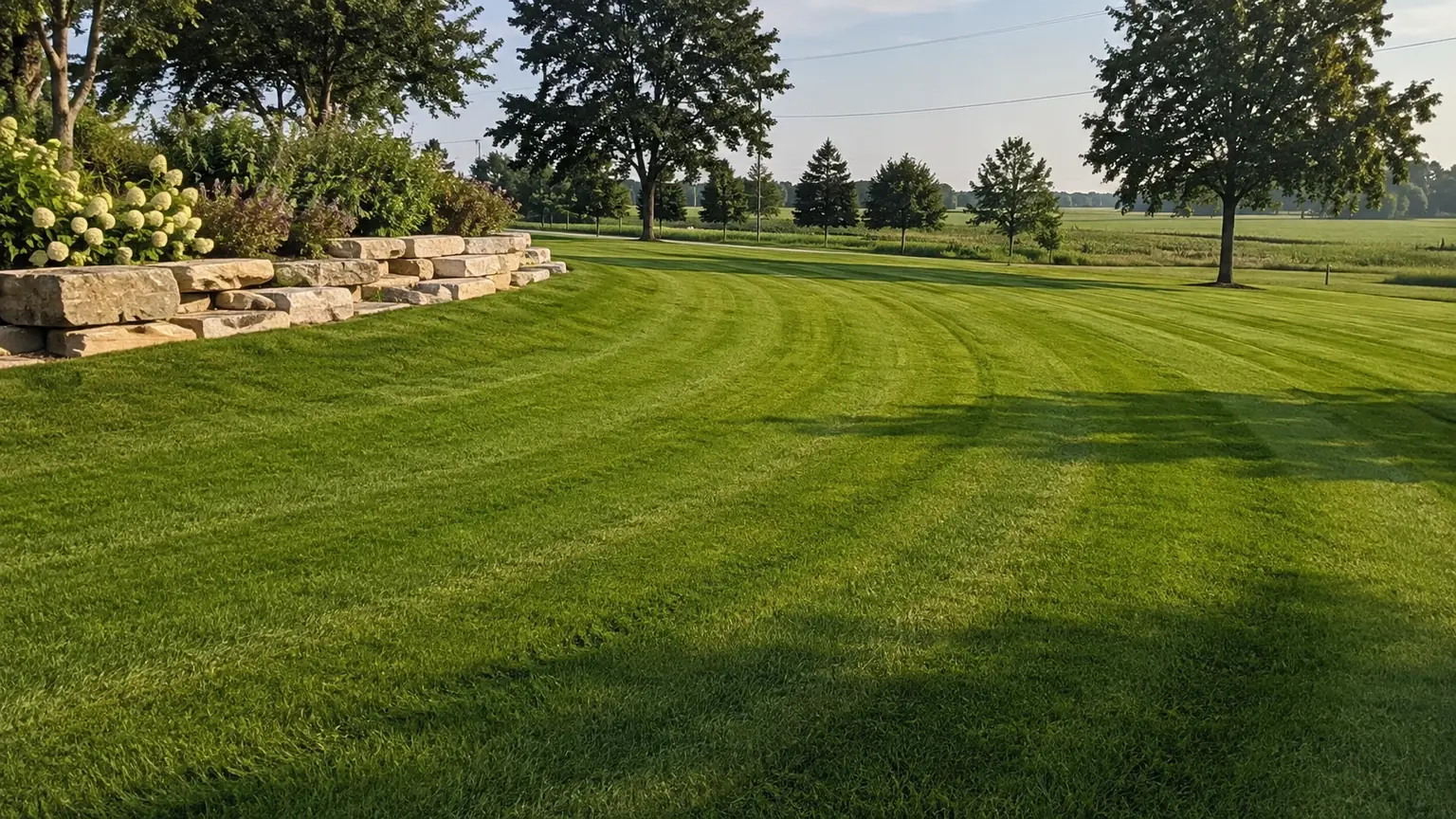
Small-town service, season after season
Kasota Lawn Care With a Practical, Small-Town Approach
Kasota Lawn Care works best when it reflects the site instead of forcing every yard into the same program. Jason’s Lawn Care provides weekly mowing, core aeration, dethatching, and tree trimming in Kasota, Minnesota. We also handle seasonal cleanup, landscape material installation, and snow service for homes and businesses. Our family-operated team has served Greater Mankato for more than two decades. As a result, customers receive local follow-through from people who understand southern Minnesota weather.
Kasota’s mix of village lots, mature trees, open edges, and nearby prairie creates noticeably different growth from one address to the next. A sunny lawn exposed to wind may dry quickly, while a shaded yard can stay damp and compacted. That means we look at drainage, traffic, shade, access, and the way the site is used before suggesting regular or seasonal work.
The plan can stay simple. Start with the weekly service that protects your free time, then schedule cleanup, turf work, landscape material, or winter access when those services solve a specific need. You get one nearby team, direct updates, and care that can adjust as weather and property needs change.
A nearby team for a distinct community
What Makes Kasota Properties Different
Kasota is a small community near Saint Peter and the Minnesota River Scenic Byway. Open country, limestone history, mature village lots, and nearby prairie all shape its landscape. That setting contributes to the community’s character. However, it can also expose properties to strong sun, wind, drifting snow, and rapid weather changes.
The City of Kasota notes that the community is two miles from Saint Peter and lies along the Minnesota River Scenic Byway. Service here should feel local as well. Our routes already operate throughout the Greater Mankato area, so Kasota is not treated as a distant add-on. Customers work with a team that understands the regional growing season and can coordinate regular and seasonal work.
Regional knowledge does not replace an address-specific review. Homes on the same street may differ in tree cover, drainage, soil disturbance, traffic, and exposure. Properties near open land may collect more windblown material, while sheltered lots can hold moisture and leaves. We combine what we know about the area with what the lawn shows us.
We also respect the broader landscape. The nearby Kasota Prairie Scientific and Natural Area reflects the region’s valuable prairie heritage. A maintained home or business landscape is not a prairie restoration. Even so, thoughtful mowing, water use, material placement, and runoff awareness can support a more responsible relationship with the surrounding land.
A consistent cut without the weekend burden
Kasota Lawn Care and Mowing for Open, Wind-Exposed Yards
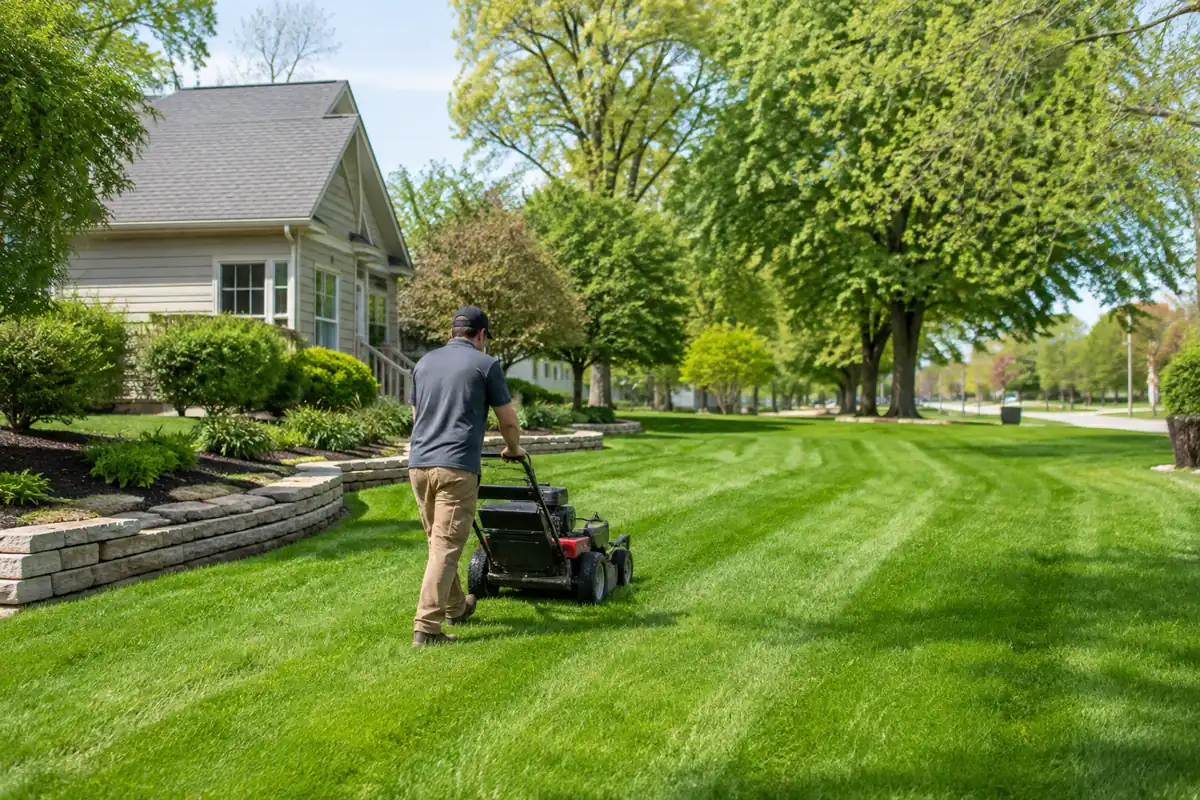
Weekly mowing is the visible foundation of an orderly property, yet a good visit includes more than a pass with a mower. Grass is cut at a height suited to current growth, edges are trimmed around obstacles, and loose clippings are cleared from walks and hard surfaces. That complete routine gives the lawn a finished look while preventing small details from accumulating into a larger job.
Open Kasota lawns can respond quickly to spring rain and then slow when summer heat and wind remove moisture. For that reason, the cut should change with the season. Taller turf during stressful weather shades the soil and leaves more leaf surface for the plant. During active growth, regular visits prevent excessive clippings and uneven patches without removing too much of the blade at one time.
Route-based scheduling gives households and businesses a dependable weekly rhythm. Rain or saturated ground can still require an adjustment because heavy equipment on soft soil may create ruts or compaction. When the ground is too soft, we skip the visit and explain why. That avoids lasting damage.
Customers can help the visit move efficiently by clearing toys, hoses, portable decorations, pet waste, and parked vehicles from work areas. Gates, invisible fencing, irrigation parts, soft shoulders, and low branches should be identified before service begins. Once those details are understood, regular mowing should feel straightforward from week to week.
Treat the condition beneath the grass
Kasota Lawn Care for Compaction and Thatch Problems
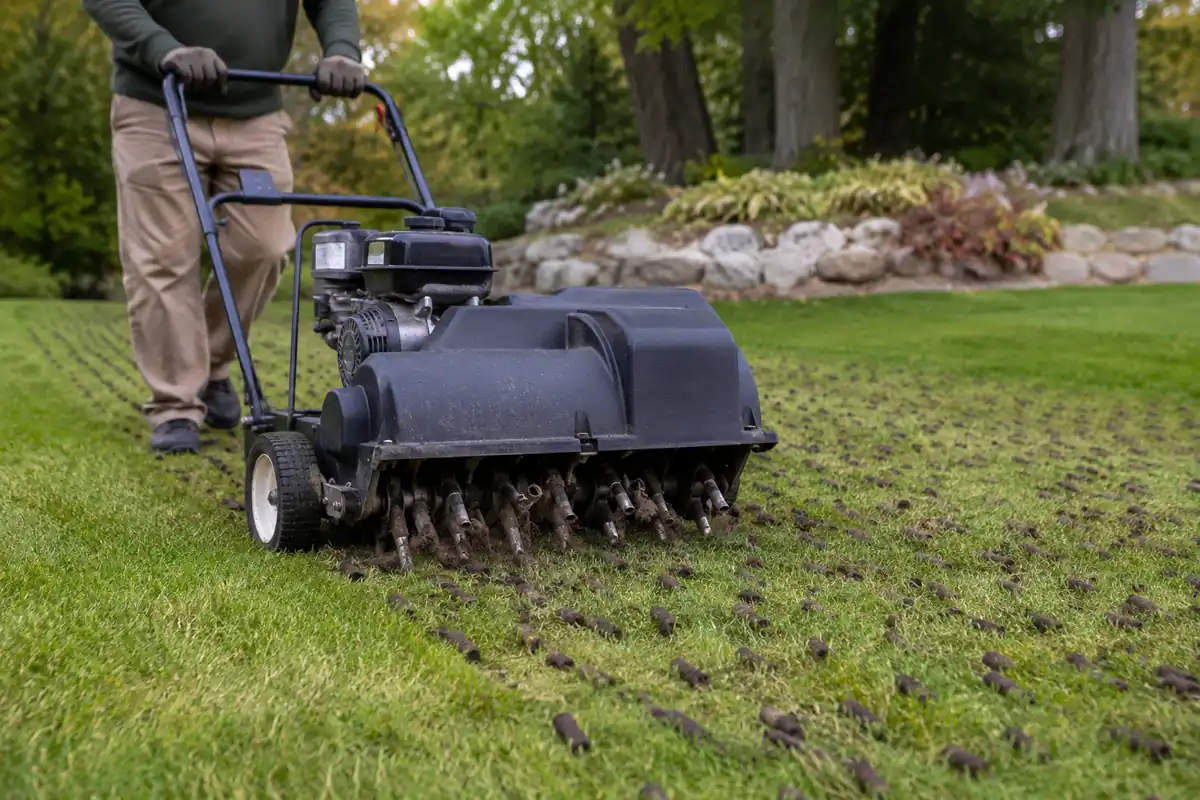
Thin growth is not always a mowing problem. Repeated footsteps, vehicle traffic, equipment, and naturally firm soil can compress the root zone until water moves slowly and roots stay shallow. Core aeration removes small plugs of soil, creating temporary openings that improve the movement of air and moisture. The lawn then has room to recover during an active growing period.
Thatch is different from compaction. It is the layer of stems, roots, and organic material between green grass and the soil. A modest layer is normal, but a heavy, springy layer can interfere with water and make the surface uneven. Dethatching removes that excess when inspection shows it has become a real barrier. We do not recommend it merely because a lawn looks tired.
Kasota sits near prairie and river-valley landscapes, and local properties can include exposed areas, sheltered pockets, fill, or dense native soil. For that reason, two nearby lawns may need different corrections. We examine the surface, moisture, turf density, and use patterns before choosing aeration, dethatching, or neither.
Timing supports recovery. Cool-season grass generally responds well when late-summer or early-fall temperatures moderate and adequate moisture is available. The University of Minnesota Extension lawn care calendar offers research-based context for Minnesota timing, while the condition at the address determines the final recommendation.
Work timed to southern Minnesota weather
Kasota Lawn Care Through Heat, Wind, Leaves, and Winter
The site changes dramatically between March thaw and January cold. A year-round plan follows those changes instead of repeating one generic checklist.
Spring Opening
Thawing snow can leave branches, gravel, matted leaves, and windblown debris across turf and beds. Spring cleanup opens the site, restores access, and reveals drainage or winter damage before regular mowing begins. It is also a sensible time to identify thin mulch, shifted rock, and branches that interfere with use.
Dry-Weather Decisions
Summer care depends on actual growth. Sun and open-country wind can pull moisture from exposed turf, so an unnecessarily short cut may add stress. We maintain a consistent route while adjusting mowing height and service decisions to growth, recent rainfall, and the lawn’s response instead of chasing one rigid appearance.
Leaf and Turf Preparation
Leaves from older trees can quickly cover a smaller village lot or collect along fences and beds. Fall cleanup keeps wet layers from remaining on grass beneath snow. Where compaction is present, timely aeration can also prepare cool-season turf to develop roots during favorable fall conditions.
Winter Access Planning
Snow service starts with an access plan, not with the first plow pass. We identify the driveway, parking needs, turning room, mail or delivery access, and safe storage areas for accumulating snow. Clear needs help protect landscape features and make each storm easier to manage.


Spend effort where it improves the site
A Flexible Kasota Lawn Care Calendar
The strongest plan connects weekly appearance with soil health, seasonal cleanup, landscape function, and winter access. Each choice should have a reason that a customer can understand.
Build From the Weekly Baseline
Regular mowing creates the consistent baseline for the growing season. The schedule prevents grass from becoming unmanageable between visits and gives the crew repeated opportunities to notice changes. Trimming at posts, trees, fences, and beds completes the visual line, while clearing clippings from hard surfaces prevents the job from looking unfinished.
That baseline should remain flexible enough to protect turf. During a spring growth surge, the lawn may need the full weekly rhythm. During heat or limited rainfall, growth can slow and grass can show stress. Appropriate height, sharp blades, and weather-aware timing matter more than making every visit look exactly the same. The purpose is a healthy, orderly lawn, not a rigid ritual.
Correct Turf Problems Instead of Masking Them
If water stands at the surface, roots remain shallow, or a travel path thins repeatedly, investigate before adding products. Compaction may need aeration, excessive thatch may need removal, and a drainage or traffic issue may need a different solution entirely. Mowing alone cannot correct a root-zone problem, and aggressive dethatching cannot solve compacted mineral soil.
Recovery also depends on timing and aftercare. Aerated turf needs active growth and reasonable moisture to use the new openings. Dethatched areas may look temporarily disrupted because material has been physically removed. Customers should understand the expected appearance, cleanup, and recovery period before work begins. That makes the service a service the customer can understand, not a mystery treatment.
Connect Cleanup, Materials, and Winter Access
Spring and fall cleanup create useful transitions. In spring, debris removal exposes turf, beds, and hard surfaces so the year starts from a clear baseline. In fall, leaf removal protects grass and opens travel areas before snow. These visits are also an opportunity to note failing edging, thin mulch, displaced rock, low branches, or downspout paths that direct water where it is not wanted.
Landscape material should then be installed with function in mind. Mulch depth, plant crowns, tree trunks, siding clearance, edging, and drainage all affect the result. Rock requires attention to grade and containment so it does not migrate into turf. Finally, winter service should be planned around the finished landscape, with snow storage located away from delicate features whenever practical.
One team for turf, landscape, and access
Kasota Lawn Care Services for the Whole Property
A useful care plan combines regular work with timely seasonal support. Select only what the address needs, and add another service when weather, growth, or property use creates a reason.
Care scaled to the way the site is used
Straightforward Care for Homes and Small Businesses
A home yard and a customer-facing property require different scheduling and details. Both benefit from consistency, but the plan should reflect who uses the site and what needs to remain accessible.

Residential Grounds
For homeowners, the goal is a yard that feels ready for everyday life. Regular mowing reduces weekend work, cleanup keeps seasonal debris manageable, and selective turf or landscape services address issues with a defined purpose. The result is not an overbuilt package; it is dependable help that protects time and keeps the site comfortable to use.
Local Commercial Sites
Shops, offices, rentals, and other managed sites need predictable appearance and updates. Service may need to account for customer hours, tenant access, parking, deliveries, signage, and winter travel routes. A continuing schedule makes it easier to coordinate those details and respond before a small care issue affects the experience of visitors.
Good work includes the decisions around it
Dependable Work Without the Cookie-Cutter Routine
The quality of outdoor service is visible in the finished property, but it also depends on preparation, judgment, and updates that happen before the crew leaves.
Observation Before Recommendation
A service should address a condition that actually exists. We distinguish compaction from thatch, drought stress from mowing damage, and cosmetic preferences from functional needs. That assessment prevents unnecessary work and helps direct the budget toward the part of the site that will benefit. If a drainage concern, soft area, or access limitation affects the job, it belongs in the conversation before scheduling.
Equipment Choices That Fit the Site
Lot size, gates, slopes, trees, beds, septic features, and ground firmness all influence how a property can be serviced. An open lawn may allow an efficient mowing pattern, while a tighter yard requires more deliberate turns and trimming. Likewise, snow equipment needs room to maneuver and a suitable place to store accumulation. Matching the approach to the site protects both efficiency and the landscape.
Updates Without Guesswork
Customers should know what work is planned and what could change it. Weather is the most common variable, yet access, material availability, growth, and soil moisture also matter. We explain reasonable adjustments and keep the conversation focused on the site. Over time, that continuity makes it easier to notice regular trouble and plan the next seasonal need before it becomes urgent.
A local route and a clear plan
How Regular Kasota Lawn Care Takes Shape at Your Address
Dependable care should become simpler after the first visit. We learn the address, document useful access details, establish the regular work, and revisit needs when the season changes.
Establish the Routine
The starting conversation covers the site type, service interests, access, known problem areas, and the best way to communicate. For mowing, we identify gates, obstacles, sensitive turf, parking conflicts, and areas that stay soft. For seasonal work, we discuss the desired outcome and the conditions that determine timing.
Once the routine is set, visits follow a local route. Consistent routing reduces uncertainty and helps the crew become familiar with the site. If rain delays work, that familiarity supports a sensible adjustment because the team already understands the terrain and the customer’s needs.
Review the Property as It Changes
A lawn is not static. Shade expands as trees mature, traffic patterns shift, low areas reveal themselves after heavy rain, and new plantings change mowing access. We pay attention to those changes instead of assuming the original plan should remain untouched. Sometimes the best recommendation is a small adjustment, not another service.
Seasonal transitions create natural review points. Spring shows winter damage, summer reveals dry exposures, fall highlights leaf volume and compaction, and winter tests access. Connecting those observations creates a more coherent care plan than booking isolated tasks with no shared context.
A well-kept property should not take every weekend
Choose Kasota Lawn Care That Fits the Property
Whether you need consistent mowing, help correcting compacted turf, spring or fall cleanup, tree trimming, landscape materials, or winter access, Jason’s Lawn Care can build the service around your actual needs. Share what is taking the most time, and let a nearby team help you get ahead of it.