

Reset the property without rushing the ground
Spring Clean-Up That Respects Soft Minnesota Soil
A useful Spring Clean-Up removes winter residue and restores access without tearing into turf that has not finished waking up.
Snowmelt reveals more than leaves and twigs. Plow piles can flatten grass, wind can pack debris into bed edges, and freeze-thaw cycles may leave soft areas beside walks and downspouts. The temptation is to attack everything at once. However, aggressive traffic or deep raking on wet ground can create compaction and root damage before the growing season begins.
Jason’s Lawn Care starts with the condition underfoot. We look at soil firmness, drainage, matted turf, bed debris, entrances, and the areas that must become usable first. Therefore, the work follows the property’s readiness instead of a date chosen while snow still covered the lawn.
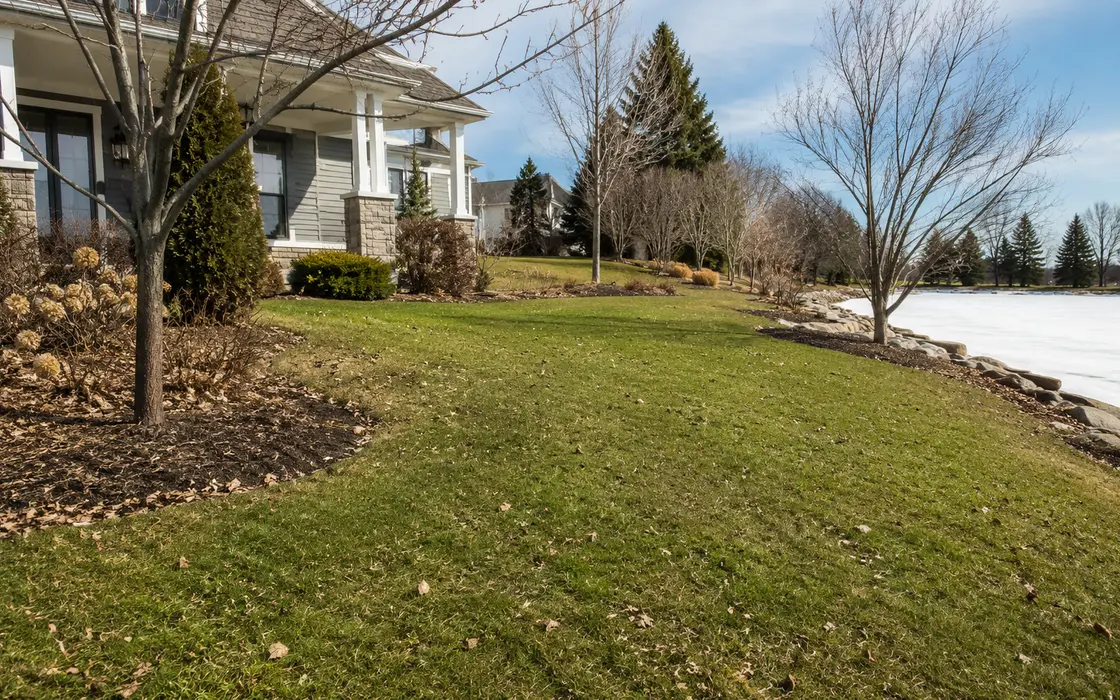
Bring each surface back into order
What a Complete Spring Clean-Up Should Accomplish
Spring service connects several small tasks into one visible reset. The lawn needs air and light, beds need a careful opening, and the hard surfaces should no longer carry the loose residue winter left behind.
Release Matted Turf
Light, condition-based raking can lift flattened grass and move loose residue without clawing healthy crowns out of wet soil.
Clear Winter Debris
We collect twigs, windblown leaves, litter, and material left by receding snow from the lawn, primary beds, and visible property edges.
Reopen Bed Boundaries
Clean transitions help prevent lawn and planting areas from visually blending together. We clarify existing edges without inventing a new landscape plan.
Finish Walks and Entrances
The crew clears loose soil, leaves, and debris from the hard surfaces that shape arrival. As a result, the exterior looks ready for regular use again.

Patience prevents avoidable spring damage
Spring Clean-Up Starts When the Lawn Is Ready
A lawn can look dry on top while remaining saturated below. Foot traffic, raking, and hauling across that surface may leave grooves or compress the root zone. Consequently, a short delay can protect the property better than forcing work during the first warm afternoon. The ground should support the route before the route begins.
Matted areas may benefit from gentle lifting once the surface firms. Snow mold often looks dramatic as snow recedes, yet light raking and time may be more appropriate than an aggressive treatment. Meanwhile, deep cultivation, heavy early fertilizer, and broad renovation belong to a separate decision rather than being bundled automatically into cleanup.
The University of Minnesota Extension’s spring lawn guidance emphasizes waiting for firm soil, raking lightly, and avoiding attempts to fix every issue at once. That measured approach matches our goal: remove what winter left, observe what the property needs next, and protect active growth as it returns.
The reset should be visible from the entrance
A Spring Property Looks Finished at Its Transitions
Debris tends to collect where one surface meets another. Leaves pack beneath shrubs, twigs settle along fences, sand gathers near drives, and flattened grass holds residue beside walks. Cleaning the center of the lawn while ignoring those boundaries leaves the property looking half complete.
For that reason, our visual check moves from curb to entrance and then through the main use areas. We look for open walk edges, clear bed lines, accessible gates, and hard surfaces free from loose material. Small details matter because they connect the larger lawn to the architecture around it.
Spring Clean-Up can also reveal concerns that winter concealed, including damaged branches, drainage erosion, heaved edging, bare turf, or mulch displaced by runoff. Cleanup does not automatically repair each issue. Instead, it creates a clear baseline so the owner can decide what deserves attention next.

Different properties wake up differently
Spring Clean-Up for Homes and Commercial Sites
Residential yards with layered detail
Home properties combine lawns, gardens, patios, play areas, pet routes, foundation beds, and narrow side yards. Snow can leave each zone in a different condition. Therefore, the crew works in an order that protects soft areas while reopening the spaces the household needs first.
Owners should point out emerging perennials, new plantings, shallow lighting wire, irrigation heads, and any area that stays wet after snowmelt. Clear information prevents healthy spring growth from being mistaken for debris and helps the route avoid fragile soil.
Commercial properties focused on arrival
At a business or rental property, the first priorities often include entrances, public walks, sign beds, parking transitions, and the turf visible from the street. Winter residue in those areas can make the entire site feel neglected even when the building is well maintained.
A coordinated cleanup restores that arrival sequence and removes loose material from customer routes. In addition, it creates a cleaner inspection point for property managers who need to plan repairs, mowing, or landscape work for the season ahead.
A reset is different from a renovation
Spring Care Should Reveal the Property, Not Overwork It
The best Spring Clean-Up leaves the landscape ready to grow. It does not force every lawn, bed, and shrub through the same list of unnecessary tasks.
Seasonal cleanup is valuable because it removes obstruction and restores order. It is not a reason to scalp the lawn, strip every protective leaf from beneath shrubs, or disturb soil simply to make it look freshly turned. By contrast, careful work leaves healthy structure in place and concentrates on material that interferes with access, growth, or presentation.
Weather can also divide one property into ready and not-ready zones. A sunny front lawn may firm before a shaded side yard, while a low area near a downspout may remain soft for days. Flexible sequencing helps complete useful work without sacrificing the vulnerable section.
With more than 20 years of local experience, Jason’s Lawn Care understands that southern Minnesota spring rarely arrives in a straight line. Warm days can be followed by rain, frost, or another wet period. As a result, we keep the scope clear and let actual conditions guide the pace.
Give the crew a clear first route
Preparing Your Property for Spring Clean-Up
Remove holiday decorations, portable furniture, toys, pet waste, hoses, and loose items that winter left in the work area. Unlock gates and move vehicles away from lawn access points. Also, mark irrigation components, shallow cables, new plantings, and areas where the ground remains unusually soft.
If snow piles or standing water still block a section, let us know before arrival. The visit can be planned around what is accessible, or the timing can change when needed. Finally, explain which entrances, beds, or use areas matter most so the cleanup supports the way you intend to use the property first.
- Remove loose propertyClear decorations, toys, hoses, and pet waste.
- Mark new growthIdentify perennials, seedlings, and hidden systems.
- Report wet areasPoint out saturated soil and blocked drainage.
- Set the prioritiesName the entrances and spaces needed first.
Start the growing season with a clear baseline
Request a Spring Clean-Up Estimate
Tell us what winter left behind, which parts of the property stay wet, and what needs to become usable first. Jason’s Lawn Care will shape the Spring Clean-Up around those priorities.