
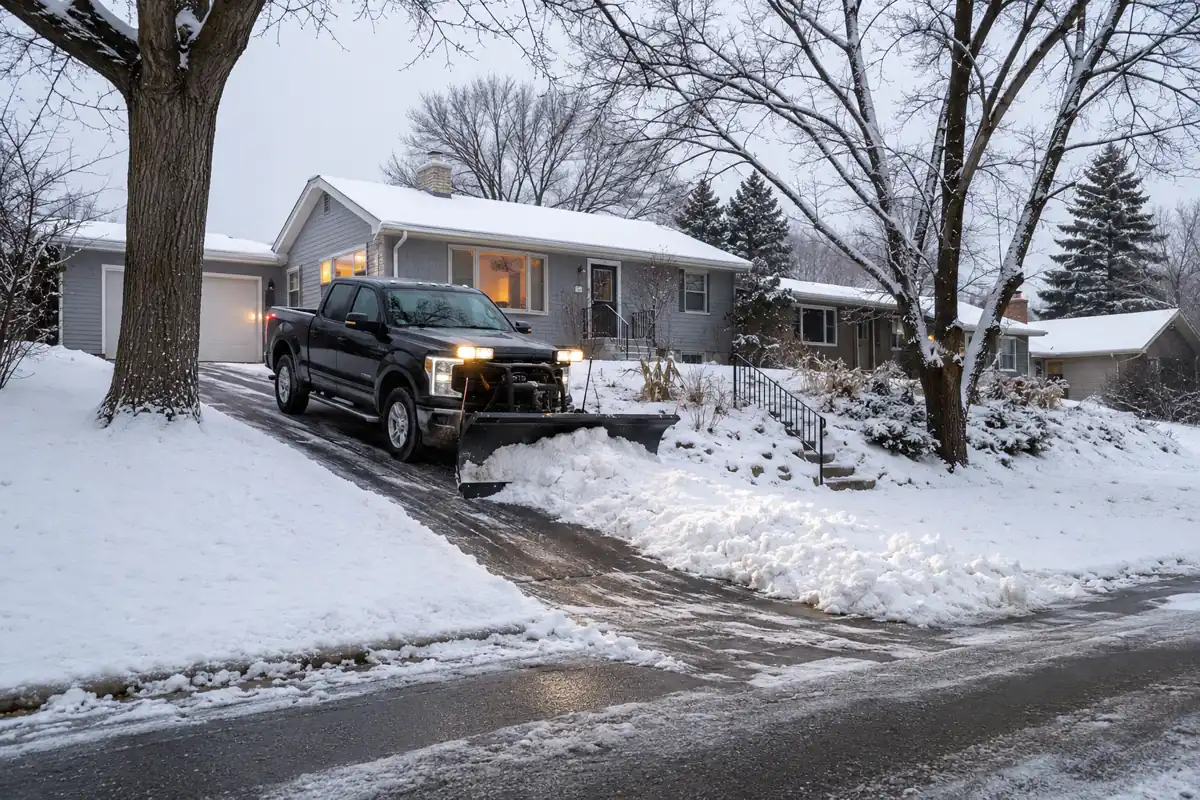
Open the routes the property depends on
Snow Removal and Plowing Planned Before the Storm
Reliable Snow Removal and Plowing begins with a clear service area, priority route, and snow-storage plan before the first flakes arrive.
Every property has a different winter map. Driveway width, garage position, public sidewalk, parking layout, fire access, drainage, wind exposure, and the locations available for snow storage all influence how a storm should be handled. When those decisions wait until visibility drops, a convenient pile can become a blocked sightline or a frozen obstacle after the next event.
Jason’s Lawn Care reviews the route and expectations in advance. We define the surfaces included, the areas that need attention first, obstacles that require markers, and where snow can reasonably accumulate through the season. Therefore, the service follows an agreed plan instead of improvising around a Mankato property during active weather.
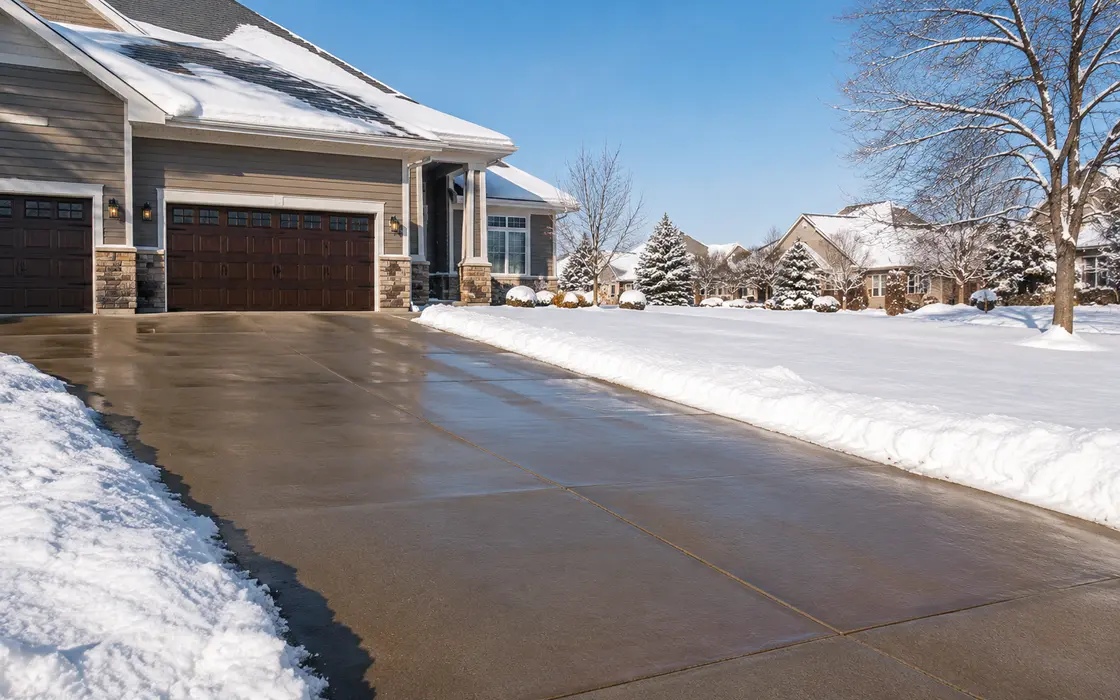
Winter service is a sequence of decisions
What a Complete Snow Route Needs to Resolve
Plowing is only one part of winter access. The route must account for priority surfaces, edge markers, snow storage, and the final areas people use on foot after the main travel lane opens.
Define Priority Access
Garage lanes, parking exits, entrances, public walks, and service doors do not all carry the same urgency. The agreement should identify which route opens first.
Mark Hidden Edges
Curbs, islands, drains, retaining edges, hydrants, and landscape features can disappear under drifting snow. Visible markers protect the route and the property.
Plan Snow Storage
Piles should preserve visibility, drainage, pedestrian space, and room for the next storm. Early placement affects every visit that follows.
Finish the Walking Route
Steps, primary walks, and doorway approaches need a defined usable width. Final attention connects the cleared parking or drive surface to the building.
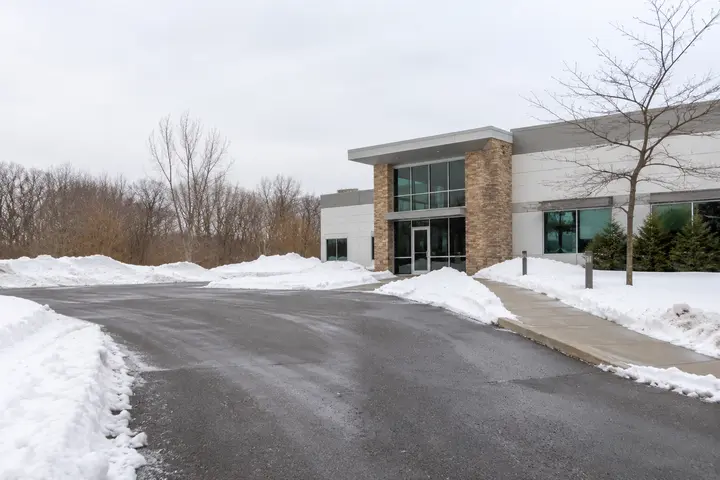
Storm type changes the route
Snow Removal and Plowing Must Adapt to Conditions
A dry two-inch snowfall moves differently from heavy wet snow, wind-packed drifting, freezing rain, or a long event that continues through the day. Temperature and pavement condition affect how snow bonds, while wind can refill an open route after the crew passes. Consequently, service timing and the condition left behind may vary even when the mapped areas remain the same.
Snow depth also changes storage. An early-season pile that seems harmless can expand into a blocked corner after repeated storms, and melting snow may refreeze across a walk if drainage was ignored. For that reason, the route should preserve future capacity instead of solving only the current event.
The Minnesota Department of Transportation’s driveway guidance illustrates how clearing space near the road can reduce the ridge a public plow may push back across a driveway. It also reinforces a core rule of private service: snow must stay off public roads and should not create new sightline or drainage hazards.
Snow placement is part of the service
A Clear Surface Is Only Useful When the Piles Make Sense
Moving snow from the center of a driveway into the nearest open edge can create problems later. Piles near intersections and entrances can hide vehicles or pedestrians. Snow stacked over drains may send meltwater back across pavement, while banks pressed against structures or delicate landscape areas can concentrate weight and moisture in the wrong place.
The practical plan identifies storage zones before they disappear beneath snow. We consider traffic direction, garage doors, mail delivery, public sidewalks, neighboring property, and the path a municipal plow will take. Meanwhile, each event is viewed in the context of the remaining winter rather than as an isolated push.
A clean finish also respects the service boundary. Plowing can leave a different surface than hand clearing, and packed snow or ice may remain depending on temperature, timing, and the agreed scope. Because deicing is a separate decision, the estimate should state clearly what Snow Removal and Plowing includes instead of letting the customer assume every winter condition has the same treatment.
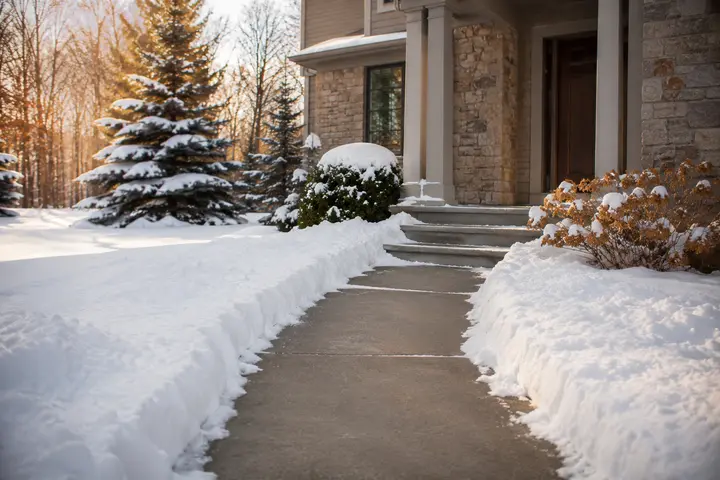
Access needs change with the site
Residential and Commercial Snow Removal Priorities
Residential driveways and daily routines
At a home, winter access often centers on the garage, driveway apron, front walk, steps, mailbox approach, and the route used by deliveries. Parked vehicles, basketball hoops, decorative lighting, pets, and narrow side clearances can affect the plan. Therefore, owners should keep the agreed route open and mark any feature that may disappear after drifting.
Timing expectations should reflect household needs without promising conditions the weather can defeat. A long storm may require more than one stage, while municipal plows can return snow to the apron after private clearing. Clear communication helps the homeowner understand which surfaces were opened and what changed afterward.
Commercial properties and shared access
Businesses, offices, rentals, and shared sites may need parking entrances, customer routes, delivery areas, service doors, and public walks coordinated in one plan. The sequence matters because opening a driving lane without connecting it to a safe entrance does not restore useful access.
Commercial snow storage is also more constrained. Parking stalls, hydrants, signs, islands, drainage structures, and neighboring traffic limit where banks can grow. As a result, the estimate should account for capacity and identify when relocation or hauling would become a separate need.
Consistency comes from a written route
Winter Expectations Should Be Clear Before Conditions Change
Dependable Snow Removal and Plowing is not a promise that every storm behaves the same. It is a plan for priorities, communication, and sensible decisions when it does not.
Service agreements work best when they define the trigger or request process, included areas, priority order, and communication method. Without those details, a customer may expect a walk, apron, or parking corner that was never part of the route. A short pre-season conversation prevents that avoidable confusion.
Property changes should be reported as well. Construction, parked trailers, temporary dumpsters, roof discharge, events, or a new delivery route can make the original map less useful. Even so, the crew cannot safely work around unmarked obstacles that remain hidden beneath snow. Updated information keeps the plan aligned with the site.
Jason’s Lawn Care brings more than 20 years of Greater Mankato property experience into winter service. We understand that wind, municipal plows, temperature swings, and repeated accumulation can alter an otherwise familiar property. Consequently, we emphasize defined scope and direct communication rather than vague promises.
Prepare the route before the first accumulation
Getting Your Property Ready for Snow Service
Install visible markers at driveway edges, curbs, islands, drains, hydrants, retaining walls, and low landscape features before the ground freezes. Move trailers, portable hoops, decorations, hoses, toys, and loose objects away from the service area. Also, trim or identify branches that narrow access and confirm where vehicles will park during a storm.
Share gate codes, priority entrances, delivery schedules, and any area that cannot hold snow. Keep people and pets away from active clearing. Finally, report changes to the property as winter progresses, especially when existing piles reduce visibility or leave less room for the next event.
- Mark every edgeIdentify curbs, drains, walls, and low features.
- Open the routeMove vehicles and portable property as agreed.
- Confirm snow storageProtect visibility, drainage, and future capacity.
- Update site changesReport new obstacles, access, or priority needs.
Define the route before winter defines it for you
Request a Snow Removal and Plowing Estimate
Tell us which drives, parking areas, walks, and entrances matter most, where snow can go, and what obstacles shape the route. Jason’s Lawn Care will review the property and service scope.